Review Policy Compliance for Shopify Stores: A Practical Guide
A practical guide to review policy compliance for Shopify stores covering platform rules and compliant workflows.
Quick answer
A review policy compliance Shopify is a structured approach to managing post-purchase review requests for Shopify stores. It covers the timing of when requests are sent based on order events, the messaging used to ask customers for feedback in a clear and honest way, how customer responses are collected and organized for team review, which review platform links are shared and kept up to date, and how support follow-up is handled for customers who report concerns or need assistance. Instead of sending the same generic message to every customer at the same time without any personalization, a structured workflow creates a repeatable process that respects customer experience, follows platform policies, and helps your team stay organized as your order volume grows. The goal is to build a sustainable system for collecting honest customer feedback that complies with all relevant platform rules while providing actionable insights about your products and customer service.
What to include in review policy compliance Shopify
A complete review policy compliance Shopify implementation includes several interconnected components that work together to create a seamless review collection process. Request timing configuration lets you set precisely when review requests trigger based on order completion, delivery confirmation, or specific time intervals that make sense for each product category you sell. Message templates provide consistent language across all customer communications while allowing customization for different products and customer segments so each message feels personal and relevant rather than generic. Customer feedback collection captures responses from every request and organizes them in a central location for your team to review, analyze, and take action on when necessary. Review platform link management keeps your destination URLs organized and up to date so customers are always directed to the correct place to leave their honest feedback. Support follow-up paths automatically route customer concerns to your team for prompt resolution, which is especially important when customers indicate dissatisfaction rather than leaving a negative review publicly. Activity tracking and reporting shows request volume over time, response rates by product and campaign, and outcomes such as review platform visits and actual reviews submitted. Analytics features help you identify trends in customer feedback and make data-driven decisions about product improvements and customer service enhancements. Each component contributes to an effective workflow, and ignoring any single component can create gaps in your process that reduce the quality and quantity of feedback you collect from your customers.
Step-by-step review policy compliance Shopify implementation
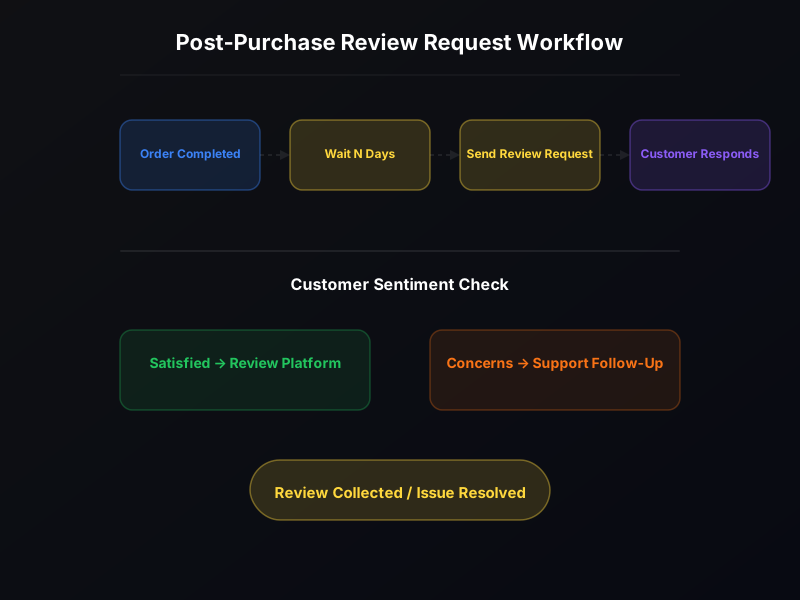
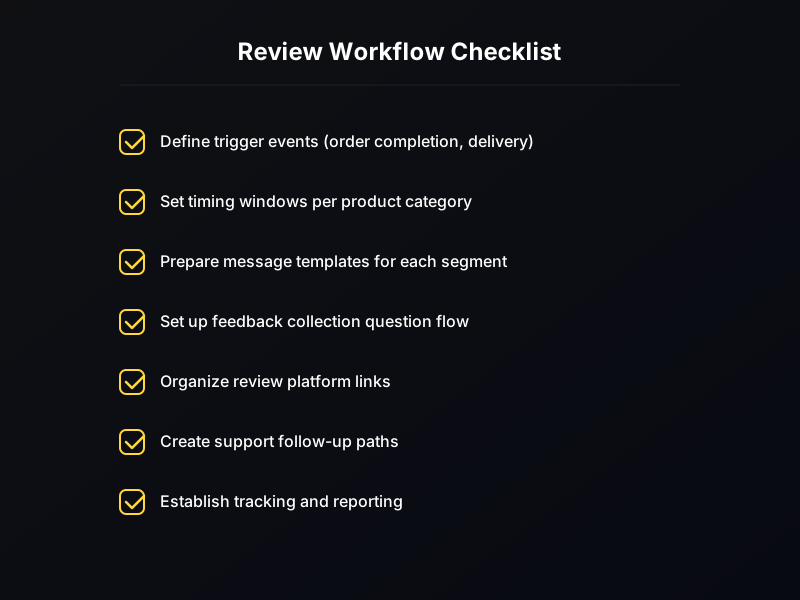
Follow these steps to implement review policy compliance Shopify in your Shopify store and build a sustainable review collection process. First, define your trigger events by choosing whether requests go out after order completion, delivery confirmation from your shipping provider, or a set number of days following fulfillment. Second, set timing windows for different product categories because physical products need longer windows than digital products or services before customers can reasonably evaluate their purchase. Third, prepare message templates for each product category or customer segment, writing clear and honest language that explains what you are asking and why customer feedback matters. Fourth, set up feedback collection by adding a simple question to your request flow that asks about the customer experience before directing them to a review platform. Fifth, organize your review platform links so customers can easily find where to leave feedback, keeping different links for different platforms organized and accessible. Sixth, create support follow-up paths for customers who report concerns or indicate dissatisfaction, ensuring your team can address issues before they escalate. Seventh, establish tracking to monitor request volume, response rates, and outcomes so you know what is working. Eighth, review and adjust your workflow regularly based on performance data and platform policy changes that may affect how you collect reviews. Ninth, train your team on the workflow so everyone understands their role in the process and follows the same procedures consistently. Tenth, document everything so your process remains reproducible even as team members come and go. Each step builds on the previous one, creating a complete review request process that evolves with your business.
Common mistakes when implementing this process
Several common mistakes can undermine your review collection process and reduce the effectiveness of your efforts. Sending requests too early before customers have actually received and used their products is the most common error because customers cannot provide meaningful feedback about items they have not yet experienced. Using generic messages that do not reference the specific product or order fails to engage customers and significantly reduces response rates compared to personalized messaging. Not tracking which requests received responses makes it impossible to understand what is working and what needs adjustment in your approach. Ignoring customer feedback signals means missing valuable opportunities to address concerns early and improve the customer experience before problems escalate into public negative reviews. Forgetting to review platform policies regularly can lead to accidental violations of rules about review gating, incentivized reviews, or other prohibited practices that change over time. Over-automating the process without human oversight can lead to tone-deaf communications during sensitive situations such as shipping delays or product issues. Failing to segment customers by their experience level means treating first-time buyers the same as loyal repeat customers who deserve different messaging. Not having a clear escalation path for negative feedback means customers who need support may end up leaving a public review instead of contacting your team directly. Each mistake reduces the effectiveness of your review collection efforts and can create compliance risks that threaten your store standing on major review platforms. A structured workflow helps avoid these problems by providing a repeatable, documented process that your team can follow consistently.
Platform policy awareness
Different review platforms have different rules about how reviews can be requested and collected, and staying aware of these policies is essential for any store that wants to build a sustainable review system. Shopify terms of service prohibit review gating, which is the practice of selectively sending customers to review platforms based on their satisfaction level or survey responses, because this practice distorts the overall rating displayed on your store. Google review policies prohibit fake reviews, incentivized reviews where customers receive compensation for positive ratings, and review gating in all forms across Google Business Profile and Google Shopping. Trustpilot prohibits selective review invitations and requires transparency about how review invitations work, including clear disclosure of any incentives offered for leaving a review. Amazon has strict rules about who can leave reviews based on verified purchase history and what kind of incentive is allowed, with severe penalties for violations including permanent account suspension. Yelp also prohibits review gating and actively monitors for patterns of selective review solicitation. Before building your review request process, take time to review the current policies of every platform you use or plan to use for collecting customer feedback. Design your workflow to follow those rules rather than finding ways around them, because platform policies are actively enforced through automated detection systems and manual review processes. Review all policies regularly as they can change over time based on regulatory developments and platform priorities. Keeping your workflow aligned with platform rules protects your store from penalties and builds long-term trust with customers who value honest and transparent business practices.
Want to see where your review workflow is leaking opportunities? Start with a StarMultiplier review audit.
How StarMultiplier supports this process
StarMultiplier helps Shopify stores implement review policy compliance Shopify through structured workflow configuration tools designed specifically for honest feedback collection. The platform provides tools for organizing request timing based on specific order events and delivery confirmations, creating and managing message templates that can be customized by product category and customer segment, collecting and reviewing customer feedback in a centralized dashboard, managing review platform links so customers are always directed to the correct destination, creating support follow-up paths that route customer concerns to your team automatically, and tracking request activity with detailed reporting on volume, response rates, and outcomes over time. StarMultiplier is designed around honest feedback collection and platform policy awareness rather than volume guarantees or aggressive growth tactics that may put your store at risk. The platform does not include review gating features or any functionality designed to selectively route customers based on satisfaction, nor does it offer fake review generation or other risky tactics. Instead, StarMultiplier focuses on helping your team build a better review collection process that follows platform rules and respects the customer experience at every touchpoint. The platform integrates with your existing Shopify workflow and provides documentation, integration guides, and support resources to help your team get started. Review the platform documentation for current features, integration options, and pricing to understand how StarMultiplier can support your review workflow and help you build a sustainable, compliant approach to collecting customer feedback.
What does review policy compliance Shopify mean?
review policy compliance Shopify refers to the practice of organizing how Shopify stores collect customer reviews after purchases. It involves setting up automated triggers that initiate review requests after completed orders, crafting messages that clearly explain what you are asking customers to do, collecting feedback about the customer experience, providing links to review platforms, and creating clear paths for support follow-up when customers have concerns that need attention. The concept is important because stores that lack a structured process often send inconsistent requests at random intervals, miss the optimal timing windows for collecting feedback, and fail to organize the responses they receive in a way that drives actionable improvements. A structured review policy compliance Shopify helps your team stay consistent across every customer interaction, track what messaging approaches work best for different product categories, and improve your process over time based on real performance data. It also helps avoid risky tactics like review gating or soliciting fake reviews, which can lead to penalties from major review platforms and damage your store reputation. When you build a structured approach around honest feedback collection and customer experience, you create a sustainable review generation process that delivers long-term value for your store without cutting corners or risking compliance violations.